
Lincoln suspends habeas corpus, locks up secessionists at Ft. McHenry

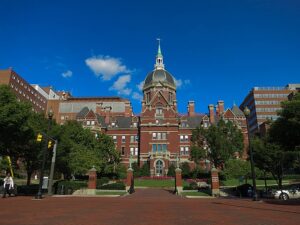
Ft. McHenry
June 1, 1861

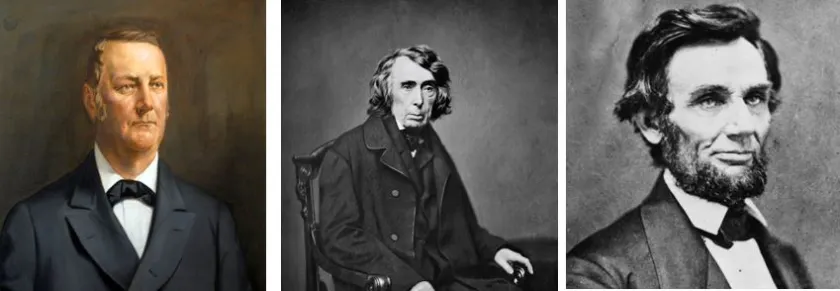
U.S. Supreme Court Chief Justice, and also a District Court Judge, Roger Brooke Taney (1777-1864) rules in ex parte Merryman that the Lincoln Administration does not have the right to suspend Habeas Corpus without the involvement of the U.S. Congress.
John Merryman (1824-1881), a prominent Baltimore County planter, is arrested and imprisoned in Ft. McHenry without charge or access to legal counsel. A strong secessionist and enslaver, Merryman is involved in attempts to prevent Federal troops from passing through Maryland to Washington.
For the first time in American jurisprudence, an Administration defies the court’s ruling on this issue, stating that the President has the right to suspend civil rights without action from the Congress during a national emergency. Ultimately many others are confined to Ft. McHenry as well.

For More Information

An Introduction to Constitutional Law. ex parte Merryman Youtube video

View Other Mosaic Pieces

“Uncle Tom” is based on a Marylander

Josiah Henson, born in Port Tobacco, escapes slavery, leads a community and learns to read and write. He becomes the model for the title character in Uncle Tom’s Cabin, a nationally popular anti-slavery story published in 1852.

Read More »

Poole and Hunt Foundry becomes an industrial hub

The Poole and Hunt Foundry and Machine Works, opened in 1854, makes construction in the US Capitol possible, specifically the dome and the House and Senate wings. Poole and Hunt becomes an industrial hub with 700 employees on the Jones Falls after the Civil War.

Read More »

Land Recognition

We acknowledge the enduring presence of many American Indian tribes who once lived in Maryland and who now, having lost their lands, live in a diaspora. Read more.

© 2023 MARYLAND 400

Scroll to Top