
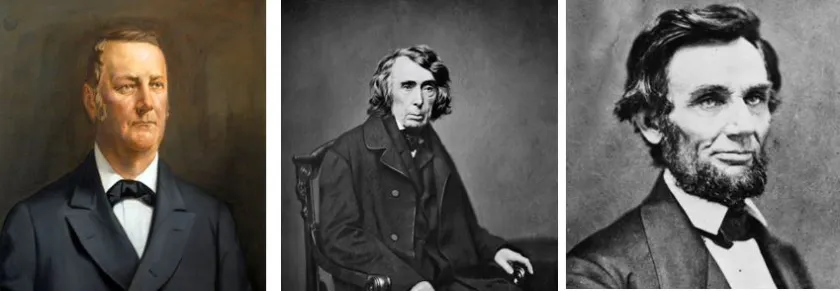
U.S. Supreme Court Chief Justice, and also a District Court Judge, Roger Brooke Taney (1777-1864) rules in ex parte Merryman that the Lincoln Administration does not have the right to suspend Habeas Corpus without the involvement of the U.S. Congress.
John Merryman (1824-1881), a prominent Baltimore County planter, is arrested and imprisoned in Ft. McHenry without charge or access to legal counsel. A strong secessionist and enslaver, Merryman is involved in attempts to prevent Federal troops from passing through Maryland to Washington.
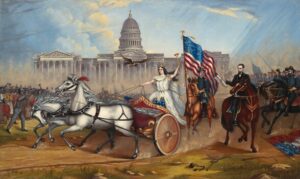
For the first time in American jurisprudence, an Administration defies the court’s ruling on this issue, stating that the President has the right to suspend civil rights without action from the Congress during a national emergency. Ultimately many others are confined to Ft. McHenry as well.
For More Information
An Introduction to Constitutional Law. ex parte Merryman Youtube video