
Benjamin Banneker, free man of color, is the first Black scientist
Benjamin Banneker joins the 1791 survey team for DC boundaries. He later publishes six annual almanacs.
Benjamin Banneker, free man of color, is the first Black scientist Read More »
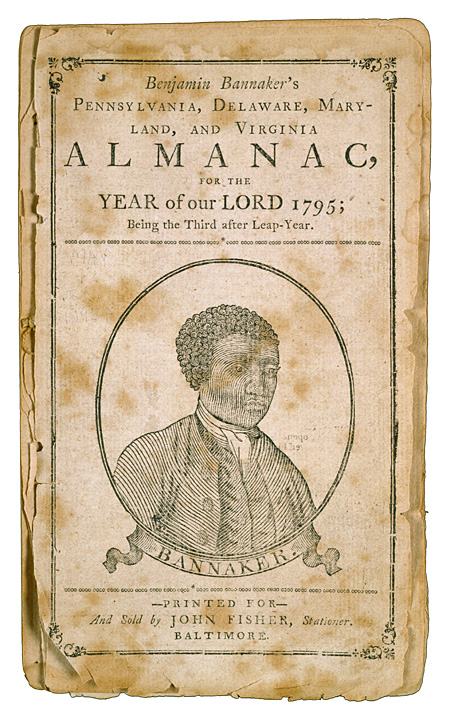
Benjamin Banneker joins the 1791 survey team for DC boundaries. He later publishes six annual almanacs.
Benjamin Banneker, free man of color, is the first Black scientist Read More »
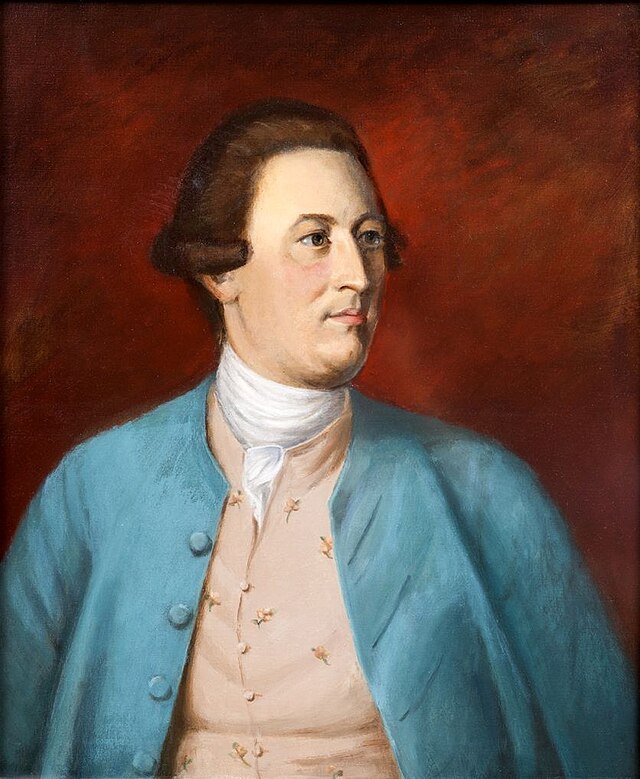
William Paca introduces a Bill of Rights during the ratification of the US Constitution in 1788. His proposed amendments include freedom of the press, speech and religion.
William Paca is first to introduce a Bill of Rights to the new Constitution Read More »
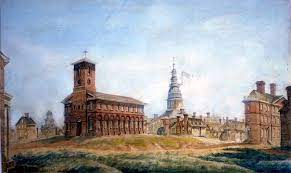
The 1786 Annapolis Convention is a key prelude to the 1787 US Constitution Convention.
The Annapolis Convention of 1786 paves the way toward a new strong U.S. Constitution. Read More »
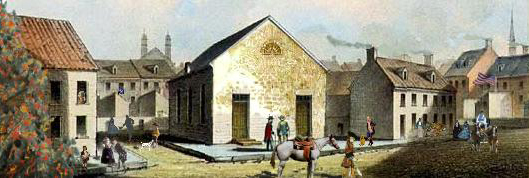
The Methodist Episcopal Church, the first established church in the US, is formed at the Lovely Lane Meeting House in Baltimore in 1819.
The Methodist Episcopal Church is the first established church in the U.S. Read More »
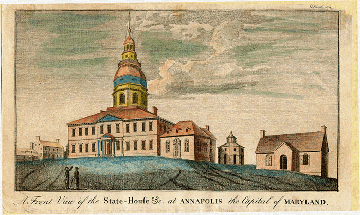
Ratification Day marks the end of the Revolutionary War as the Treaty of Paris is ratified in 1784 in Annapolis, making the State House the first capitol of US.
Ratification Day in Annapolis ends the Revolutionary War Read More »
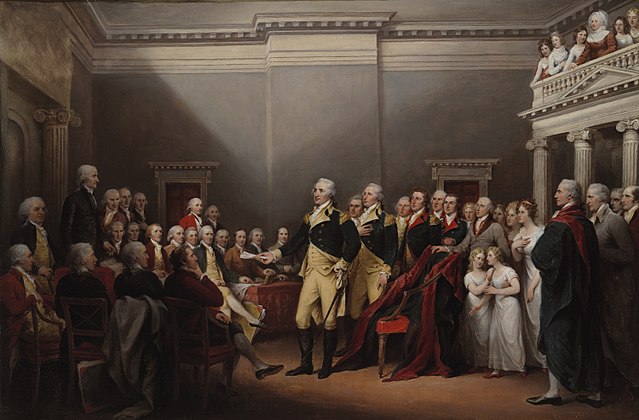
George Washington resigns his Army commission to Congress in the Annapolis State House in 1783, moving the new country away from dictatorship and toward civilian control of the military.
George Washington resigns his military commission, changing the course of history. Read More »
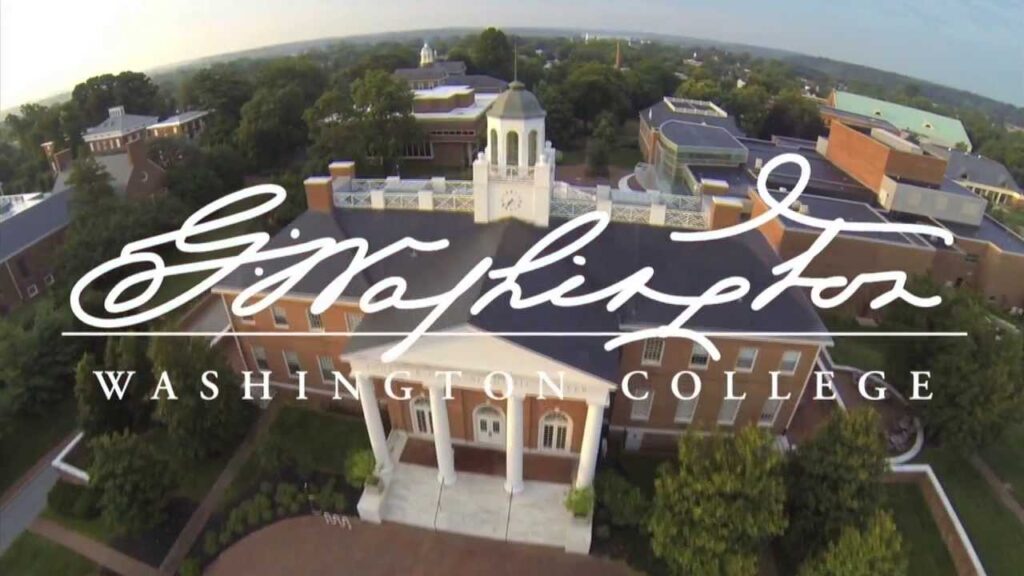
Washington College is first chartered private college in 1782 in the new US. Washington lends his name and serves on its board.
Washington College takes George Washington’s name Read More »
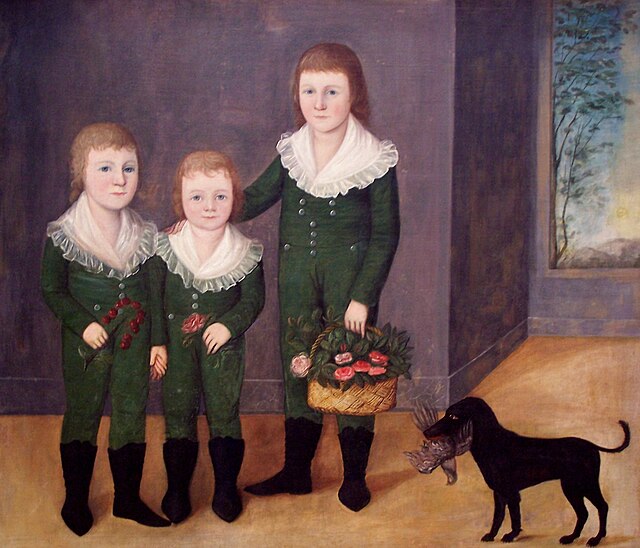
Joshua Johnson, manumitted in 1782 by his father, is the first professional Black artist. He teaches himself to paint, producing portraits of elite families in a distinctive folk art style.
Joshua Johnson, first recognized professional Black portrait painter Read More »
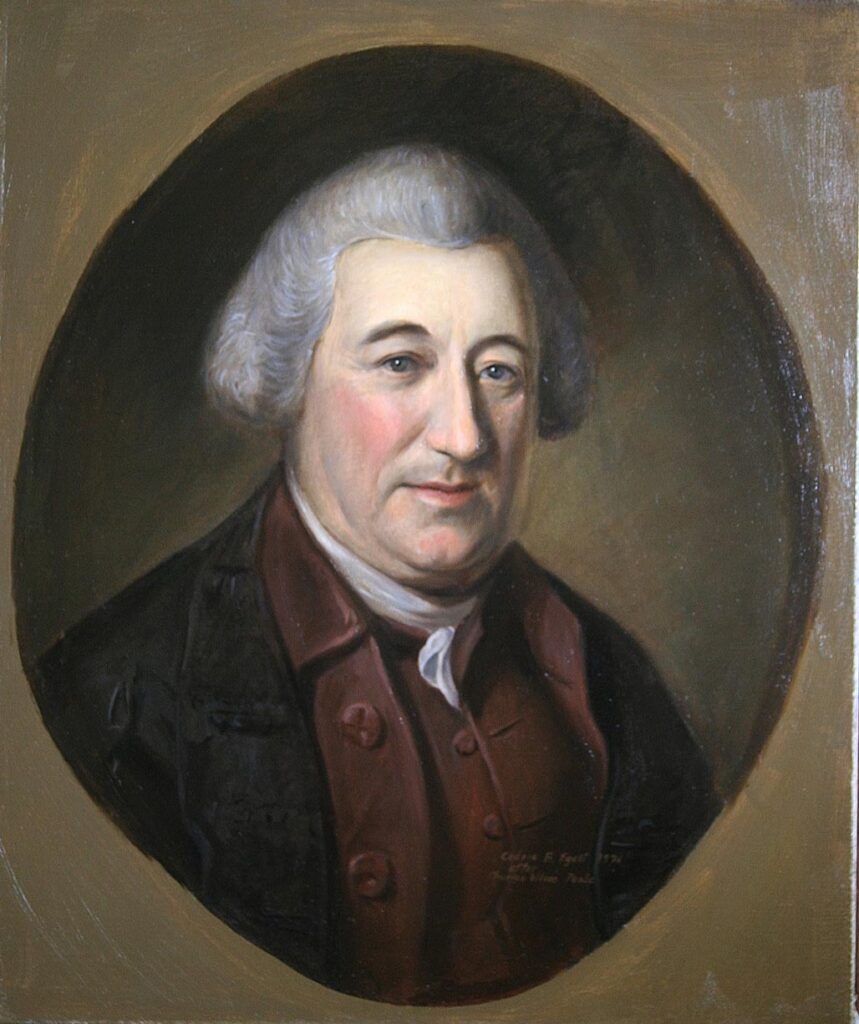
John Hanson, Maryland native, is the First President of the United States in Confederation Congress Assembled in 1781 after Maryland ratifies the Articles of Confederation, the first US Constitution.
John Hanson, native of Maryland, is the First President of the Confederation Congress. Read More »
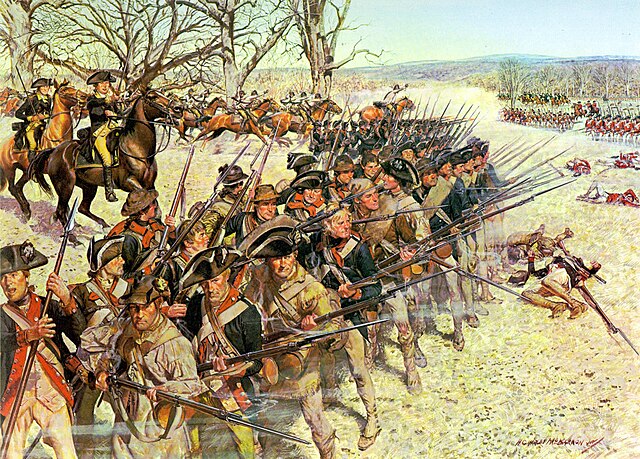
Smallwood’s Maryland Battalion, Washington’s most important troops (the Maryland Line), saves his army at the Battle of Brooklyn in August, 1776. The Army is integrated.
Smallwood’s Battalion saves Washington’s Army. It later becomes the Maryland Line. Read More »